Jungle Jim’s International Market is filled with tens of thousands of items from around the world, with hundreds, maybe thousands, from our own backyard! With fresh produce delivered daily, a wide variety of American Grocery items to keep your pantry full, as well as Craft Beer and Wine for all tastes (and a few surprises), we stay true to our local roots while letting you explore the World of Food, one aisle at a time. There’s something for everyone here, so whether you’re doing your weekly shopping, making a day of it while on vacation, or just want to see what all the fuss is about, you’ve come to the right place. We’ll see you in the aisles!
Departments

Fresh
From our vast Produce Department, bountiful Seafood selection, and bustling Deli counter, high-quality fresh foods are a vital part of what makes Jungle Jim’s so unique. We want you to take home the best olives around, grill chicken and steak that you can’t wait to share with your family and friends, and experience Jungle Jim’s International Market in all new ways every time you visit.
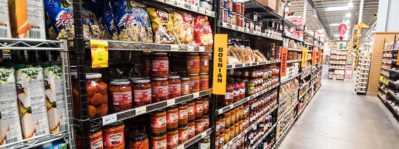
International
We call ourselves Jungle Jim’s International Market for a reason. Tens of thousands of reasons, actually. Over 70 countries are represented throughout our sprawling International Department, with items from Asia, Europe, South and Central America, and more filling the aisles with over 70,000 items. From unique and obscure, to childhood and cultural favorites, the World of Food comes to you.

Specialty
Like Jungle Jim’s itself, there are quite a few areas that defy categorization. While we think everything on the shelves is special, these are what we consider some of our specialties…
Looking for hundreds of honeys or syrups? Want some of your favorite candies no matter the decade? Is kitchenware your thing? The list goes on. No shopping trip is complete without taking advantage of all the specialties you have at your fingertips at Jungle Jim’s!
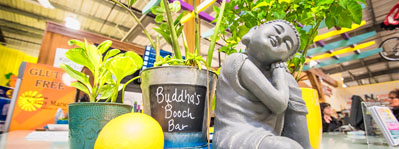
Natural Foods & Supplements
While living a healthy lifestyle can be a challenge, finding the right ingredients, foods, drinks, vitamins, and more doesn’t have to be. In our Natural Foods & Supplements Department, Jungle Jim’s strives to provide a well-rounded variety of the best in Vegan, Gluten-Free, and Natural foods and beverages, as well as a great selection of vitamins and supplements, sports nutrition items, essential oils, and more.

Beer & Wine
Expert driven and award-winning, our Beer & Wine Department is second to none in selection and variety. More than 17,000 wine labels, over 4,000 beers from around the world, and a climate controlled Wine Cellar full of hard to find bottles make us one of the largest retailers in the country. But quantity isn’t our goal. Expert advice and knowledge from a staff of craft beer aficionados and wine lovers is where we truly shine.

Cigars & Liquor
Each Jungle Jim’s location boasts an impressive selection of cigars for both aficionados and those new to the cigar world. Housed inside two world class humidors, our Cigar Department is your one stop shop for all things smokable from the world’s top brands. Pipes and pipe tobacco, cutters, lighters, and more, you’ll find everything you need – plus the expert advice you expect – when you visit our Cigar Shop.
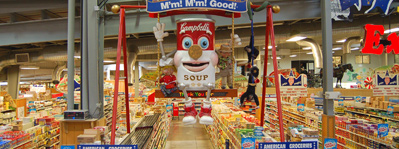
American Grocery
If you think that Jungle Jim’s is all about International, think again! We have a massive selection of regular grocery items and great bargains throughout the store! Plus, we always seek to carry full lines of the products you love, not just the best sellers. When you shop for your weekly groceries at Jungle Jim’s, you’ll see selections that you don’t see anywhere else!
Sign up for our Weekly Ad Deals email to see what’s on sale each week, We’ll see you in the aisles!
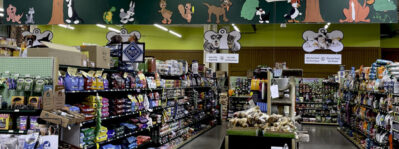
Pets
Like many of the departments inside Jungle Jim’s International Market, our Pet Department could be a store all on it’s own. Aisles are filled top to bottom with everything you need for dogs, cats, birds, small pets, and more.
Whether you’re looking for food, treats, medications, toys, or other accessories, we offer not just a great selection, but great values, as well. If you own a pet, are bringing a new one into your family, or know someone who does, this is the place for you.
- As seen on: